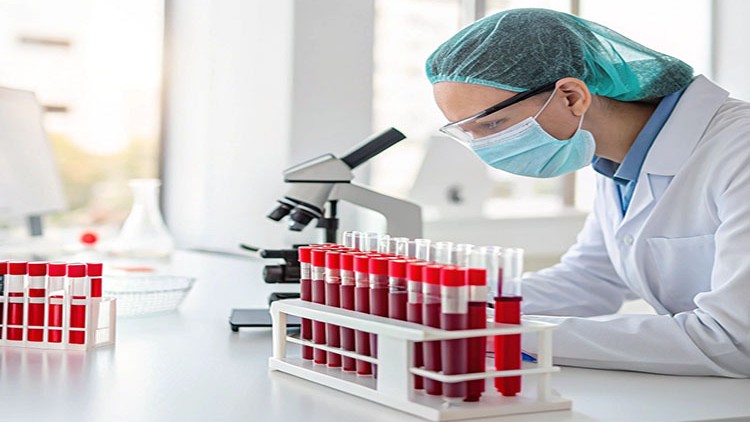
Learn to interpret CBCs, recognize blood disorders, and build strong diagnostic reasoning in hematology.
Why take this course?
🫘 Unlock the Mysteries of Blood with “Hematology Basics” for Medical Students!
(Course Instructor: Mohamed Al-Ashram)
🚀 Course Overview:
Dive into the fascinating world of hematology, a cornerstone of medical diagnostics and treatment. This course is meticulously crafted for medical students eager to grasp the fundamentals of this vital field. Through engaging content and expert guidance from instructor Mohamed Al-Ashram, you’ll explore the complexities of blood disorders, laboratory techniques, and cutting-edge treatments.
🩺 What You’ll Learn:
- Understanding Hematological Diseases: Learn about a variety of hematological conditions, including hemophilia, sickle cell anemia, blood clots, and leukemia. Discover how these diseases affect the body’s blood production and clotting mechanisms.
- Laboratory Skills: Gain insights into the laboratory analysis of blood and other hematological samples. Understand how medical technologists and scientists interpret results to diagnose and treat patients effectively.
👩⚕️ Hematology Specialists:
- Discover the roles of hematologists and hematopathologists, their responsibilities in patient care, and how they work together to provide comprehensive treatment plans.
- Explore the different subspecialties within hematology, from treating bleeding disorders to managing hematological malignancies, understanding hemoglobinopathies, and more!
📚 Course Structure:
This course is organized into clear, digestible sections that will take you on a journey through the anatomy and physiology of blood, hematological disorders, diagnostic techniques, treatment options, and the latest advancements in hematology.
👉 Key Topics Covered:
- Blood Components and Functions
- Hematological Disorders and Their Impact
- Laboratory Techniques in Hematology
- Diagnosis and Management of Hematological Diseases
- The Role of Bone Marrow and Stem Cell Transplantation
- Blood Transfusion Science and Blood Banking
🎓 Who Should Take This Course:
This course is perfect for:
- Medical students with a keen interest in hematology.
- Aspiring or practicing physicians considering specialization in hematology.
- Healthcare professionals seeking to enhance their knowledge of blood disorders and treatments.
📅 Learning Outcomes:
Upon completing this course, you’ll have a solid understanding of the theory and practice behind hematology. You’ll be equipped with the knowledge to recognize hematological diseases, interpret laboratory findings, and contribute effectively to patient care in this specialized field.
🤝 Join a Community of Learners:
Enroll in “Hematology Basics” today and become part of a community dedicated to advancing healthcare through education and understanding. With expert guidance and interactive learning materials, you’ll be on your way to mastering hematology!
👉 Take the Next Step:
Ready to embark on this journey? Click “Enroll Now” to secure your spot in this transformative online course and unlock the secrets of hematology with confidence and expertise. Let Mohamed Al-Ashram guide you through the intricacies of blood health, where every drop tells a story of life and healing.
Overview: Beyond the Microscope
If you have spent any time in the clinical trenches, you know that hematology is often treated like the “black box” of internal medicine. Most students approach it with a mix of dread and confusion, staring at a Complete Blood Count (CBC) like it is some ancient, indecipherable code. Hematology for Medical Students: Clinical Cases Exam Master changes that narrative by treating diagnostic medicine less like a textbook exercise and more like a high-stakes troubleshooting session. This isn’t just a series of dry lectures; it is a deep dive into the logic of blood, designed to take you from a beginner to advanced level of diagnostic proficiency.
What I found most refreshing here is the departure from rote memorization. In my experience with technical training, the best courses prioritize the “why” over the “what,” and this course delivers exactly that. It frames hematology as a diagnostic pipeline. Instead of just listing symptoms of Thalassemia or Leukemia, the course forces you to inhabit the role of a clinician. You are presented with a patient, a set of lab results, and a clock. It bridges the gap between theoretical pathology and the job-ready skills required on a hospital ward. Whether you are prepping for your boards or looking to sharpen your clinical edge, the focus on real-world projects (in the form of complex clinical cases) makes the material stick in a way that standard bullet points never could.
Prerequisites
To get the most out of this, you shouldn’t be starting from absolute zero. While it is marketed toward medical students, you really need a baseline understanding of human physiology and basic cell biology. If you don’t know the difference between a nucleus and a ribosome, you’re going to struggle. However, for anyone with a pre-med background or those already in their clinical years, the curve is manageable. Think of it as a career growth stepping stone: you need the foundation, but the course provides the scaffolding to reach the next level.
Skills & Tools
The course excels at teaching you how to use industry-standard tools for blood analysis. It’s not just about looking at a screen; it’s about interpreting the data output of modern hematology analyzers. You will master:
- CBC Interpretation: Learning to read the nuance between MCV, MCH, and RDW to differentiate types of anemia.
- Diagnostic Reasoning: Building a mental flowchart for triaging white cell disorders and malignant transformations.
- Clinical Troubleshooting: Using hands-on labs simulations to determine when a blood transfusion is a life-saver versus a potential complication.
- Microscopic Recognition: Identifying peripheral blood smears with the precision of a seasoned pathologist.
Career Benefits & Job Roles
In the medical field, your certification prep is a never-ending journey. This course is a massive asset for anyone eyeing a residency in Internal Medicine, Oncology, or Pathology. Beyond just passing exams, it builds the job-ready skills that make you stand out during rounds. Attending physicians don’t want a student who can recite a textbook; they want someone who can look at a patient with Acute Leukemia and suggest the next three logical steps in the diagnostic workup.
For those looking at long-term career growth, specialized knowledge in hematology is a gateway to high-demand roles. You’re looking at career paths like:
- Hematologist/Oncologist: Specializing in the treatment of blood cancers and complex disorders.
- Medical Laboratory Scientist: Managing the industry-standard tools that keep modern hospitals functioning.
- Clinical Research Coordinator: Working on real-world projects and trials for new hematological therapies.
Pros
- Direct Application: The clinical case format functions like a series of hands-on labs. You aren’t just a passive observer; you are actively “debugging” the patient’s condition.
- Exam-Focused Precision: This is top-tier certification prep. It cuts through the fluff and focuses on the high-yield topics that actually appear on the USMLE or PLAB.
- Scalable Difficulty: The transition from beginner to advanced topics—like moving from basic iron deficiency to the complexities of Hodgkin Lymphoma—is seamless and logical.
Cons
- High Intensity: Let’s be honest—the pacing can be brutal. If you aren’t prepared to put in the hours, the sheer volume of data on malignant diseases can feel like drinking from a firehose. It demands a high level of commitment that might be tough for a casual learner.