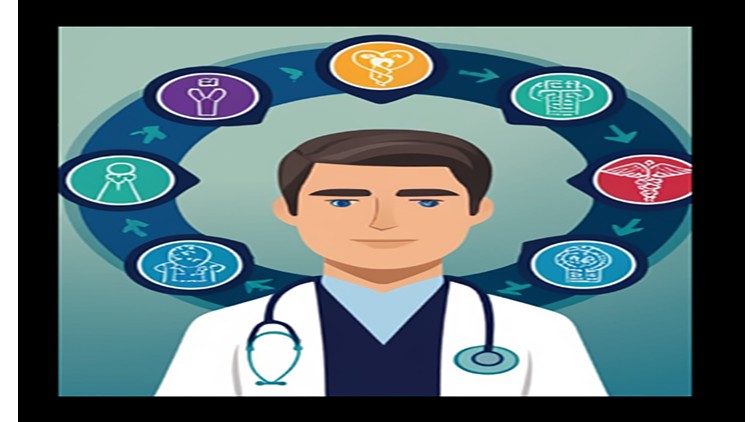
what I wish to know about medical ethics before I became adductor
Why take this course?
🙌 Course Title: Medical Ethics for Medical Students & Healthcare Professionals
🎓 Course Headline: Everything You Need to Know About Medical Ethics Before You Become an Aductor in Healthcare
Unlock the Moral Compass of Medicine with Our Comprehensive Medical Ethics Course! 🏥✨
Medical ethics isn’t just a set of rules; it’s the heart of healthcare. It’s about making the right decisions at the crossroads where science, medicine, and compassion meet. As a medical student or healthcare professional, you are stepping into a field where ethical dilemmas are as commonplace as stethoscopes. 📚💪
Key Principles of Medical Ethics:
Medical ethics is grounded in several core principles that every healthcare provider must understand and apply:
- Autonomy 🗝️: Uphold patients’ rights to make their own healthcare decisions, ensuring they are fully informed about their conditions and treatments.
- Beneficence ❤️: Always act with the intention of doing good, promoting your patients’ well-being and quality of life.
- Non-Maleficence 🚫: Adhere to the principle of “do no harm” by carefully considering the risks and benefits before recommending treatments or procedures.
- Justice 👀: Ensure equitable healthcare, where treatment decisions are made without bias towards race, gender, financial status, or social class.
- Confidentiality 🤫: Maintain patient confidentiality at all times, safeguarding their personal health information, and only share it when necessary or by law.
- Veracity 🔍: Promote honesty in every aspect of care. Disclose all relevant information about diagnoses, treatments, and prognosis to patients.
- Fidelity 🤝: Remain loyal and faithful to the medical profession’s ethical standards and commitments made to your patients.
Applications of Medical Ethics:
Medical ethics directly influence various aspects of healthcare. Here’s how these principles are applied in real-world scenarios:
- End-of-life care 🌱: Navigate ethical considerations around end-of-life decisions, including euthanasia and palliative care while honoring patients’ end-of-life wishes.
- Informed consent 📝: Engage in meaningful conversations with patients to ensure they fully understand the risks, benefits, and alternatives of treatments.
- Resource allocation 🔄: Make fair decisions about the distribution of limited medical resources, ensuring that care is accessible to those who need it most.
- Confidentiality issues 🛡️: Grapple with situations where patient privacy must be balanced against public health imperatives (e.g., managing contagious diseases).
Join us in this enlightening journey through the intricacies of medical ethics. Gain the knowledge and confidence to navigate the ethical landscape of healthcare, make informed decisions, and uphold the highest standards of patient care.
Enroll now and become a pillar of integrity and moral fortitude within the healthcare community! 🏫✨
About the Instructor:
Mohamed AL-Ashram is a respected medical ethicist with years of experience in teaching and practicing medical ethics. His expertise and passion for the subject will guide you through the complex and compelling world of medical ethics, preparing you to face any ethical challenge that comes your way. 👩⚕️📖
Don’t miss this opportunity to enhance your understanding of medical ethics and become a conscientious healthcare professional! 🌟🔬
what I wish to know about medical ethics before I became adductor | Topics: Informed Consent Confidentiality Autonomy . Non-Maleficence Beneficence justice
Overview
Alright, diving into ‘Medical Ethics, Professionalism & Healthcare Law.’ As an experienced tech professional, my first thought usually jumps to systems, protocols, and data integrity. But this course? It peels back the layers on something far more intricate: human decision-making under immense pressure, with lives quite literally in the balance. It vividly demonstrates why healthcare isn’t just a science, but an art governed by deeply human principles and stringent legal frameworks.
My biggest takeaway, right off the bat, was the sheer complexity of ethical dilemmas in medicine. We often think of “good” or “bad” as binary, but healthcare operates in a constant state of nuanced grey. Take informed consent – it’s not just a signature on a form. It’s about ensuring genuine understanding, patient capacity, and the absence of coercion, especially when dealing with vulnerable populations or novel treatments. This concept alone could be a deep dive for a data privacy expert, grappling with how much information is truly “informed” given data asymmetry.
Then there’s confidentiality, which, from a tech perspective, screams “data security.” But in medicine, it’s not just about HIPAA compliance; it’s about building trust, respecting personal narratives, and understanding the profound impact of information leakage beyond just legal repercussions. The principles of autonomy, non-maleficence (first, do no harm), and beneficence (acting in the patient’s best interest) are not abstract ideals here. They’re the moral compass guiding every single interaction, every diagnostic decision, every treatment plan. And weaving through all of it is justice – how do we allocate scarce resources fairly? How do we ensure equitable access to care? These aren’t just academic questions; they are real-world projects with massive societal implications that health tech companies grapple with daily when designing platforms or algorithms. This course gave me an invaluable framework to deconstruct these massive challenges, something I frankly wish I’d had much earlier in my professional journey.
Prerequisites
Honestly, you don’t need to be a doctor or a lawyer to get immense value from this course. What you do need is a curious mind and a willingness to engage with complex, often uncomfortable, scenarios. While a basic familiarity with the healthcare system or some background in ethics might give you a slight head start, it’s not strictly necessary. The instructors do a solid job of laying the groundwork. If you’re coming from a tech background like me, an understanding of data privacy regulations (like GDPR or CCPA) and the general principles of ethical AI development will definitely help you draw parallels and appreciate the depth of thought required in medical ethics. Think of it less about technical knowledge and more about a robust capacity for critical thinking and empathy.
Skills & Tools
This course isn’t about learning to code, but it absolutely arms you with critical job-ready skills that transcend any single industry. You’ll significantly sharpen your ethical reasoning and decision-making capabilities, which are invaluable. You’ll gain a robust understanding of the legal landscape governing healthcare (think HIPAA, EMTALA, etc.), essentially giving you an internal “compliance officer” mindset. More importantly, you’ll learn how to dissect complex ethical dilemmas, weigh competing principles, and communicate your reasoning effectively – a skill crucial for leadership in any domain. The “tools” here aren’t software; they’re the foundational ethical frameworks and legal precedents that become your mental toolkit for navigating ambiguities. You’ll gain practice through compelling case studies and hypothetical real-world projects, which feel like hands-on labs for your moral compass, preparing you for high-stakes situations. This is truly about developing industry-standard tools for ethical leadership.
Career Benefits & Job Roles
Let’s talk brass tacks: what’s in it for your career? If you’re already in healthcare, this course is practically mandatory for significant career growth, especially if you aspire to leadership, policy-making, or compliance roles. For tech professionals looking to transition into health tech or simply wanting to understand their medical clients better, this is gold. Understanding the ethical and legal bedrock of medicine is crucial for developing responsible AI, designing patient-centric systems, or ensuring data governance. Roles like a Medical Director, Healthcare Compliance Officer, Clinical Ethicist, Health Policy Analyst, or even a Product Manager for a health tech company would find this knowledge indispensable. It also forms a phenomenal foundation for any further certification prep in healthcare administration or legal aspects of medicine. This isn’t just knowledge; it’s a strategic asset that elevates your professional standing from beginner to advanced in nuanced ethical understanding.
Pros
- Real-World Relevance: The course shines by grounding abstract ethical theories in incredibly compelling, often challenging, medical scenarios. It’s not just academic; it’s immediately applicable.
- Comprehensive Coverage: It brilliantly weaves together ethics, professional conduct, and the legal implications, providing a holistic understanding rather than siloed concepts.
- Critical Thinking Boost: Through engaging discussions and thought-provoking case studies, your ability to analyze complex situations, identify ethical conflicts, and formulate reasoned solutions will significantly improve.
- Foundation for Future Growth: Whether you’re aiming for leadership, specializing in compliance, or integrating ethics into health tech solutions, this course provides an invaluable, robust ethical and legal foundation.
Cons
- Pacing and Depth Trade-off: While comprehensive, the sheer breadth of topics means that some fascinating areas (like advanced topics in bioethics or specific nuances of international healthcare law) might feel like they’re covered a bit too quickly. I sometimes wished for more dedicated deep-dives into certain emerging ethical dilemmas driven by rapid technological advancements, although the foundational principles provided are certainly adaptable.