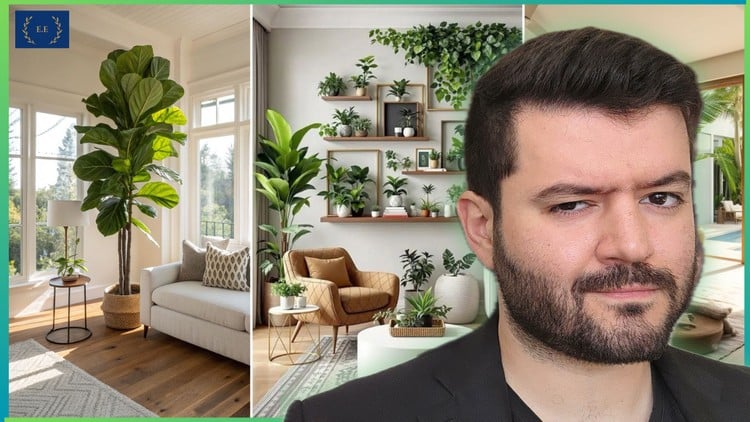
COMPLETE Interior Design Course On Using Plants: Interior Design Styles | Home Interior Design & Decor | Design Hacks
⏱️ Length: 2.2 total hours
👥 20 students
🔄 September 2025 update
Add-On Information:
Note➛ Make sure your 𝐔𝐝𝐞𝐦𝐲 cart has only this course you're going to enroll it now, Remove all other courses from the 𝐔𝐝𝐞𝐦𝐲 cart before Enrolling!
- Course Overview
- Embark on a transformative journey into the world of Biophilic Interior Design, where the seamless integration of plants elevates living and working spaces. This comprehensive course moves beyond mere decoration, exploring how to cultivate environments that foster well-being, productivity, and aesthetic appeal through the strategic use of botanical elements.
- Delve into the principles of biophilia, understanding the innate human connection to nature and how to harness this connection to create visually stunning and psychologically enriching interiors.
- Explore a curated selection of plant types, considering their unique characteristics in terms of light requirements, growth habits, and aesthetic contributions to various design schemes.
- Discover how to conceptualize and execute interior design projects that prioritize natural elements, moving from initial ideation to the final, polished outcome.
- This course is structured to provide a deep understanding of how plants can be the central design feature, impacting mood, air quality, and the overall sensory experience of a space.
- Uncover the psychological impact of greenery, learning how specific plant arrangements and species can influence emotional states and cognitive functions within different environments.
- Gain an understanding of the historical and contemporary significance of plants in interior design, tracing their evolution from functional necessities to sophisticated aesthetic choices.
- Learn to create dynamic and evolving interior spaces, where plants contribute to a sense of life and constant, gentle change.
- Understand the synergy between plant selection, spatial planning, and lighting to create truly immersive and harmonious biophilic environments.
- Requirements / Prerequisites
- A genuine interest in interior design and a passion for incorporating nature into built environments.
- Basic familiarity with home decor concepts is helpful but not strictly necessary.
- Access to a computer or tablet with internet connectivity for course materials and potential interactive elements.
- An open mind ready to explore innovative design approaches and a willingness to experiment.
- No prior professional design experience is required; the course is designed for beginners and those looking to expand their skillset.
- A desire to create more vibrant, healthy, and aesthetically pleasing spaces, whether for personal enjoyment or professional application.
- Skills Covered / Tools Used
- Spatial Planning with Greenery: Understanding how to strategically position plants to define zones, enhance flow, and create focal points within a room.
- Plant Palette Development: Selecting appropriate plant species based on environmental conditions (light, humidity, temperature) and desired aesthetic outcomes.
- Biophilic Design Principles: Applying established theories of biophilic design to create spaces that promote human well-being and connection to nature.
- Lighting Integration for Plants: Learning to leverage natural and artificial light sources to support plant health and accentuate their visual impact.
- Material Harmony: Understanding how to pair plant selections with complementary materials (wood, stone, textiles) for cohesive and balanced interiors.
- Container and Potting Strategies: Exploring various types of planters and their role in both plant health and the overall design aesthetic.
- Vertical Gardening and Living Walls: Techniques for implementing space-saving and impactful vertical planting solutions.
- Air Purification and Plant Benefits: Educating on the natural air-purifying qualities of certain plants and how to maximize their environmental benefits.
- Aesthetic Arrangement: Mastering the art of grouping and spacing plants to create visually pleasing compositions and visual interest.
- Troubleshooting Common Plant Issues: Basic understanding of how to identify and address common plant care needs within an interior setting.
- Digital Mood Board Creation (Optional): Utilizing digital tools to visually plan and present plant-integrated interior design concepts.
- Benefits / Outcomes
- Cultivate a deeper appreciation for the transformative power of plants in interior design.
- Develop the ability to design spaces that are not only beautiful but also contribute positively to occupant health and happiness.
- Gain the confidence to undertake personal interior design projects with a unique, nature-inspired approach.
- Create environments that are perceived as more calming, energizing, and inspiring.
- Learn to think of plants as integral design elements, not just decorative additions.
- Enhance your understanding of sustainable design practices through the integration of living elements.
- Acquire the knowledge to select and care for a variety of indoor plants suitable for diverse interior settings.
- Become adept at balancing aesthetics with the practical needs of living plants for long-term success.
- Elevate your personal living spaces or professional design portfolio with distinctive, biophilic-inspired interiors.
- Unlock the potential to create interior designs that resonate with a growing global trend towards wellness and natural living.
- PROS
- Comprehensive & Unique Focus: Offers a specialized and in-depth exploration of biophilic design, a highly relevant and growing field.
- Practical Application: Emphasizes hands-on learning and actionable techniques for immediate implementation.
- Holistic Design Approach: Integrates aesthetics, well-being, and environmental considerations.
- CONS
- Plant Care Responsibility: Requires ongoing commitment to plant maintenance, which may not appeal to everyone.
Learning Tracks: English,Design,Interior Design