All-in-One Photography Masterclass from Scratch: DSLR, Cameras, Lenses, Lighting, Composition & Photo Editing (A to Z)
What you will learn
Components of Exposure Triange like Aperture, ISO, Shutter Speed and Others
Advanced fundamentals like Histogram, RAW file
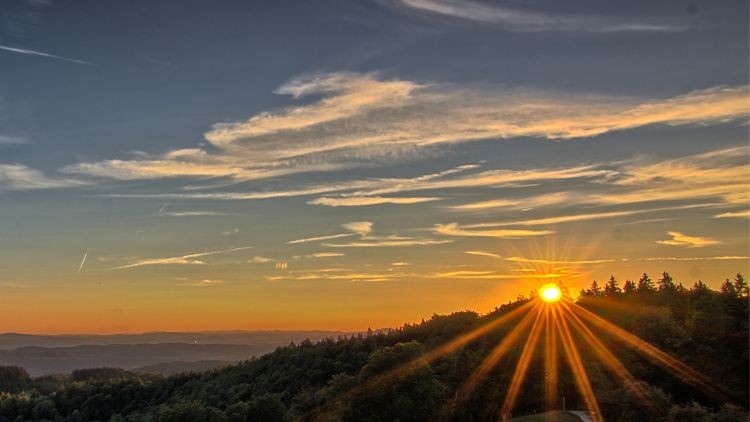
Lighting, Lighting Techniques at Sunrise, Sunset and Blue Hours, Light Metering
Composition of Photography, Rule of Thirds
Architectural Photography
Night Photography
HDR Photography
Filters, Polarizer Filter, Neural Density (ND) filter
Photo Editing By Adobe Lightroom
Landscape Photography
Stock Photography: Earn from your photos
The Verdict from a Tech Perspective: Is 18-in-1 Overkill or a Goldmine?
In the tech world, we are constantly bombarded with “Full-Stack” promises and “All-in-One” solution architectures. Usually, when something claims to cover eighteen different domains in a single package, my skepticism hits an all-time high. However, after digging into the Complete Photography Course for Beginners, I realized this isn’t just a bloated bundle of fluff. It’s a meticulously structured roadmap designed to take someone from “I just bought a DSLR and I’m terrified of Manual Mode” to “I can confidently shoot a long-exposure cityscape at blue hour.”
What I appreciate most here is the departure from the “spray and pray” methodology. Most beginners rely on the camera’s internal AI to make decisions, which is fine until the lighting gets tricky. This course forces you to understand the industry-standard tools and logic behind the glass. It treats photography like a system—a series of inputs (light, glass, sensor settings) that produce a specific output. If you’ve ever felt like your photos were “fine” but lacked that professional “pop,” it’s likely because you’re missing the fundamental grasp of how light interacts with digital sensors. This masterclass bridges that gap by moving through beginner to advanced concepts with a logical flow that feels more like a hands-on lab than a dry lecture series.
The transition from basic exposure to complex topics like HDR and Neural Density filters is handled with the kind of clarity I wish more software documentation had. It doesn’t just tell you what a button does; it explains the “why” behind the “what,” which is essential for anyone looking to build job-ready skills in a competitive visual market.
Prerequisites
- A DSLR or Mirrorless Camera: While you can learn theory on a phone, you really need a camera with manual controls to get the most out of the exposure triangle modules.
- A Basic Tripod: Essential for the night photography and HDR sections of the course.
- An Open Mind for Post-Processing: You’ll need a computer capable of running editing software (like Adobe Lightroom or Photoshop) to handle the RAW file workflows discussed.
- Zero Prior Knowledge: This is truly a “from scratch” experience. You don’t need to know your f-stop from your elbow when you start.
Skills & Tools You’ll Master
- Manual Exposure Control: Mastering the “Exposure Triangle” (Aperture, ISO, and Shutter Speed) to gain total creative control.
- The Science of Light: Understanding Light Metering and timing shots during the “Golden Hour” and “Blue Hour” for maximum cinematic impact.
- Advanced Technicals: Reading a Histogram to ensure you aren’t clipping highlights or losing shadow detail.
- Compositional Logic: Going beyond the Rule of Thirds to understand how leading lines and framing influence the viewer’s eye.
- Post-Processing Workflow: Managing RAW files and using industry-standard tools to recover data and color-grade your images.
- Specialized Gear: How to effectively use Polarizer Filters and ND Filters to manipulate time and reflections in-camera.
Career Benefits & Job Roles
In an era where “content is king,” being a proficient photographer is a massive boost to your career growth, whether you stay in tech, marketing, or go full-time creative. This course provides the certification prep mindset needed to build a professional portfolio that stands out on sites like Upwork or Glassdoor.
- Real Estate Photographer: The modules on Architectural Photography and HDR are direct job-ready skills for this lucrative niche.
- Social Media Content Creator: Understanding lighting and composition is the difference between a mediocre post and a viral one.
- Stock Photographer: Learning to shoot high-quality, technically perfect images can create a passive income stream through agencies.
- Event/Wedding Photography: The foundations taught here allow you to handle the high-pressure, changing light environments of live events.
Pros
- Comprehensive Breadth: It truly is an 18-in-1. You won’t need to jump around different YouTube channels and deal with conflicting advice; the curriculum is a cohesive A to Z journey.
- Real-World Projects: The course emphasizes real-world projects. You aren’t just watching a screen; you are encouraged to get out and shoot in specific conditions (like sunset or night), which is where the real learning happens.
- Logical Progression: It avoids the common pitfall of overwhelming students with technical jargon too early. It builds your confidence with hands-on labs before diving into the “heavy” physics of light.
Cons
- The “18-in-1” Volume: Because the course is so massive, it requires significant discipline. If you’re looking for a “quick fix” over a weekend, the sheer amount of content might feel overwhelming or lead to “tutorial hell” if you don’t stop to practice between modules.