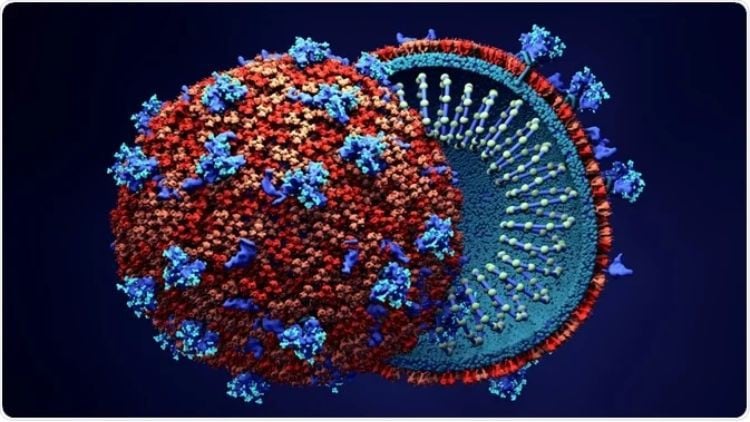
Unraveling the Secrets of Viruses and their Impact on Life
⏱️ Length: 4.3 total hours
⭐ 4.06/5 rating
👥 3,360 students
🔄 July 2023 update
Add-On Information:
Note➛ Make sure your 𝐔𝐝𝐞𝐦𝐲 cart has only this course you're going to enroll it now, Remove all other courses from the 𝐔𝐝𝐞𝐦𝐲 cart before Enrolling!
- Course Overview
- Explore the fundamental characteristics that define viruses as distinct biological entities, differentiating them from cellular life forms.
- Investigate the intricate structural diversity across various viral families, from simple capsids to complex envelopes and their components.
- Uncover the precise molecular mechanisms governing viral entry, replication, assembly, and egress from host cells, highlighting specific viral strategies.
- Examine the dynamic interplay between viruses and the host immune system, detailing both innate antiviral defenses and adaptive immune responses.
- Delve into the fascinating evolutionary pathways of viruses, including mechanisms of mutation, recombination, reassortment, and zoonotic spillover events.
- Discuss the principles and methodologies employed for viral classification and nomenclature, providing a systematic understanding of the virosphere.
- Understand the principles of viral pathogenesis, exploring how different viruses cause disease at cellular, tissue, and organismal levels.
- Gain insights into historical viral pandemics and epidemics, drawing crucial lessons from past outbreaks and their societal impact.
- Address contemporary global health challenges posed by emerging and re-emerging viral threats, such as novel coronaviruses, influenza strains, and arboviruses.
- Consider the ethical implications and societal responsibilities associated with viral research, public health interventions, and vaccine equity.
- Review the cutting-edge diagnostic techniques utilized for rapid and accurate viral detection, including molecular, serological, and culture-based methods.
- Survey the development and application of various antiviral drugs and therapeutic strategies, understanding their targets and mechanisms of action.
- Explore the science behind vaccine development, encompassing different vaccine types (e.g., live-attenuated, inactivated, mRNA) and their role in disease prevention.
- Examine the innovative use of viruses as powerful tools in gene therapy, oncolytic therapy, and other biotechnology applications.
- Study the influence of environmental factors, climate change, and human activities on viral transmission dynamics and geographical spread.
- Ponder the future directions in virological research, including novel antiviral targets, universal vaccines, and advanced surveillance technologies.
- Grasp the foundational principles of biosafety and biosecurity protocols essential for handling viral agents safely in laboratory and clinical settings.
- Understand the concept of viral reservoirs and vectors, shedding light on the complex transmission cycles of many infectious diseases.
- Requirements / Prerequisites
- A foundational grasp of basic biology, including cell structure, organelles, and fundamental biological processes.
- Familiarity with molecular biology concepts such as the central dogma (DNA, RNA, protein synthesis) and gene expression.
- An introductory understanding of genetics principles, including heredity and mutations, is beneficial.
- Basic chemistry knowledge, particularly organic chemistry fundamentals relevant to biomolecules, is advantageous.
- Proficiency in English for comprehending scientific terminology, course materials, and lectures effectively.
- Access to a reliable internet connection and a compatible device (computer, tablet) for an optimal online learning experience.
- A curious mindset and a strong, sustained interest in biological sciences, infectious agents, and their impact on health.
- No advanced mathematical skills are required beyond basic data interpretation and graphical analysis.
- Prior exposure to microbiology, immunology, or biochemistry coursework is helpful but not strictly mandatory.
- A willingness to engage with complex scientific concepts, absorb new terminology, and think critically about biological systems.
- Skills Covered / Tools Used (Conceptually)
- Analytical Thinking: Develop the ability to critically assess viral life cycles, host interactions, and disease progression.
- Problem-Solving: Enhance skills in dissecting complex biological problems related to viral infections and their control.
- Scientific Interpretation: Learn to interpret and synthesize research findings, epidemiological data, and clinical outcomes concerning viruses.
- Conceptual Modeling: Improve capacity to visualize and understand abstract molecular and cellular processes involved in viral replication.
- Data Literacy Foundations: Build a foundational understanding for interpreting statistical representations and trends in viral studies.
- Ethical Reasoning: Engage with the ethical dimensions surrounding viral research, public health policy, and biosecurity considerations.
- Global Health Awareness: Cultivate an informed understanding of pandemic preparedness, outbreak response, and international health regulations.
- Biological Safety Principles: Familiarity with the importance of containment, sterilization, and safety practices in handling pathogenic agents.
- Diagnostic Methodology Comprehension: Grasp the underlying principles behind common techniques like PCR, ELISA, and sequencing for viral detection.
- Pharmacological Principles: Understand the basic mechanisms of action for antiviral compounds and the challenges of drug resistance.
- Immune Response Analysis: Ability to conceptually differentiate between various types of antiviral immunity and their roles in protection.
- Literature Review Foundations: Initial exposure to navigating and understanding scientific literature relevant to contemporary virology topics.
- Virtual Simulation Engagement: Potential use of virtual simulations or interactive diagrams to illustrate complex viral processes and host interactions.
- Benefits / Outcomes
- Develop a profound appreciation for the microscopic world and its intricate, often invisible, profound impact on all forms of life.
- Empowerment with comprehensive knowledge to critically evaluate public health information, news, and policies related to viral outbreaks and pandemics.
- Enhance overall scientific literacy, providing a robust foundation applicable to a broad spectrum of biological and medical disciplines.
- Cultivate an informed perspective on disease prevention, surveillance strategies, and control measures on both local and global scales.
- Foster a scientific mindset for inquiry, critical evaluation, and continuous learning within the rapidly evolving field of virology.
- Build a robust conceptual framework for understanding the mechanisms of infectious diseases beyond just viruses.
- Gain clarity and confidence regarding the scientific basis of vaccination, antiviral therapies, and their role in public health.
- Cultivation of an interdisciplinary outlook, connecting molecular biology, immunology, epidemiology, and societal implications.
- Serve as a strong foundational stepping stone for further specialized studies in infectious disease, molecular biology, immunology, or public health.
- Contribute to a more scientifically literate global community, capable of understanding and engaging with complex health challenges.
- Increase awareness of emerging biological threats, global health security issues, and the importance of scientific collaboration.
- Strengthening of analytical, critical thinking, and information synthesis skills applicable in diverse academic and professional settings.
- PROS
- Provides essential and up-to-date knowledge on globally significant pathogens directly impacting human and animal health.
- Structured for accessible understanding, breaking down complex biological interactions into digestible, engaging concepts.
- Offers a timely and highly relevant perspective on current public health challenges and disease management strategies.
- Serves as an excellent foundational course for advanced academic studies or professional development in the life sciences.
- Engages learners with a critical and often captivating aspect of modern medical and biological science.
- CONS
- The concise duration of the course (4.3 total hours) may inherently limit the depth of practical application or extensive, detailed topic exploration compared to longer academic programs.
Learning Tracks: English,Teaching & Academics,Science