Unraveling the Secrets of Viruses and their Impact on Life
⏱️ Length: 4.3 total hours
⭐ 4.29/5 rating
👥 3,066 students
🔄 July 2023 update
Add-On Information:
Note➛ Make sure your 𝐔𝐝𝐞𝐦𝐲 cart has only this course you're going to enroll it now, Remove all other courses from the 𝐔𝐝𝐞𝐦𝐲 cart before Enrolling!
- Course Overview
- Embark on a captivating journey into the microscopic world of viruses, understanding their fundamental nature as biological entities existing at the very edge of life, and their profound influence on all ecosystems.
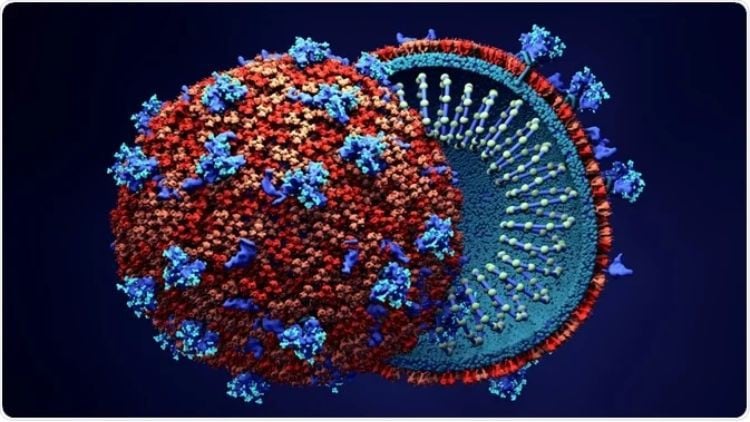
- Systematically deconstruct the diverse structural architectures of viruses, from simple capsids to complex envelopes, and correlate these designs with their mechanisms of host cell entry, replication, assembly, and egress.
- Explore the sophisticated molecular strategies viruses employ to hijack cellular machinery, subvert host defenses, and ensure their propagation, uncovering the intricate dance between pathogen and host at a biochemical level.
- Investigate the principles of viral pathogenesis, examining how different viruses induce disease, the immune responses they elicit, and the factors contributing to varying disease severities and outcomes across populations.
- Gain insight into the constant evolutionary arms race between viruses and their hosts, appreciating the dynamic processes of viral mutation, recombination, and reassortment that drive emergence of new strains and pandemics.
- Analyze the global landscape of viral diseases, including historical pandemics and current outbreaks, understanding the socio-economic and public health implications of these infections.
- Discover the cutting-edge methodologies and research frontiers in virology, from advanced imaging techniques to CRISPR-based antiviral strategies, highlighting the rapid pace of innovation in the field.
- Requirements / Prerequisites
- A foundational understanding of general biology, including cell structure, molecular biology concepts (DNA, RNA, protein synthesis), and basic genetics, is highly recommended to fully grasp the course material.
- Familiarity with fundamental concepts in chemistry, particularly organic chemistry and biochemistry, will be beneficial for comprehending viral replication cycles and antiviral mechanisms.
- Possession of strong critical thinking and analytical skills, enabling the interpretation of scientific data and complex biological processes.
- A genuine curiosity about infectious diseases, biological systems, and the ongoing challenges in global health is essential for an engaging learning experience.
- Basic computer literacy and reliable internet access are required to navigate the online learning platform and access course resources effectively.
- No advanced degrees or specialized prior virology experience is necessary; this course is designed to build expertise from a solid scientific base.
- Skills Covered / Tools Used
- Develop robust analytical skills to critically evaluate scientific literature, decipher experimental results, and form reasoned conclusions regarding viral biology and disease.
- Cultivate an understanding of epidemiological principles and their application in tracking viral outbreaks, interpreting incidence and prevalence data, and assessing public health interventions.
- Gain conceptual familiarity with laboratory techniques commonly used in virology, such as cell culture, viral quantification (plaque assays, TCID50), molecular diagnostics (PCR, RT-PCR, ELISA), and sequencing technologies.
- Learn to interpret complex genomic and proteomic data sets related to viruses, understanding the application of bioinformatics tools for viral classification, phylogenetic analysis, and drug target identification.
- Acquire the ability to communicate complex scientific information clearly and concisely, fostering effective discourse on viral threats and prevention strategies.
- Understand the ethical considerations surrounding viral research, including biosafety levels, dual-use research concerns, and vaccine development trials.
- Develop problem-solving approaches to address challenges in antiviral development, vaccine design, and strategies for controlling viral transmission.
- Benefits / Outcomes
- Equip yourself with a holistic perspective on viral infections, enabling you to understand their origins, mechanisms of action, and societal impact, preparing you to contribute meaningfully to health discussions.
- Enhance your scientific literacy and critical evaluation capabilities, allowing you to confidently engage with and assess information related to emerging viral threats and public health advisories.
- Develop a strong theoretical foundation that can serve as a springboard for advanced studies (e.g., Master’s, PhD) in virology, microbiology, immunology, infectious disease, or public health.
- Position yourself to contribute to interdisciplinary teams working on global health initiatives, outbreak response, and the development of new diagnostic tools or therapeutic interventions.
- Gain the intellectual tools to appreciate the intricate balance of the human immune system in combating viral invaders and the sophisticated strategies viruses employ to evade host defenses.
- Foster an understanding of the scientific process, from hypothesis generation to experimental validation, as applied specifically to the dynamic field of virological research and discovery.
- Cultivate an informed perspective on the importance of vaccination, antiviral treatments, and public health policies in mitigating the impact of viral diseases on human and animal populations.
- PROS
- Engaging content that directly addresses some of the most pressing global health challenges of our time.
- Provides a robust intellectual framework for understanding infectious diseases beyond the scope of viruses.
- Designed for accessibility, allowing learners to delve into a complex scientific field at their own pace.
- Stimulates critical thinking and analytical reasoning skills applicable across various scientific disciplines.
- Offers a highly relevant and continuously updated curriculum in a rapidly evolving scientific area.
- Fosters a deeper appreciation for the interplay between molecular biology, immunology, and public health.
- Empowers learners to engage intelligently with scientific news and contribute to informed societal discourse.
- CONS
- May require significant self-discipline and motivation to complete the extensive material independently.
Learning Tracks: English,Teaching & Academics,Science