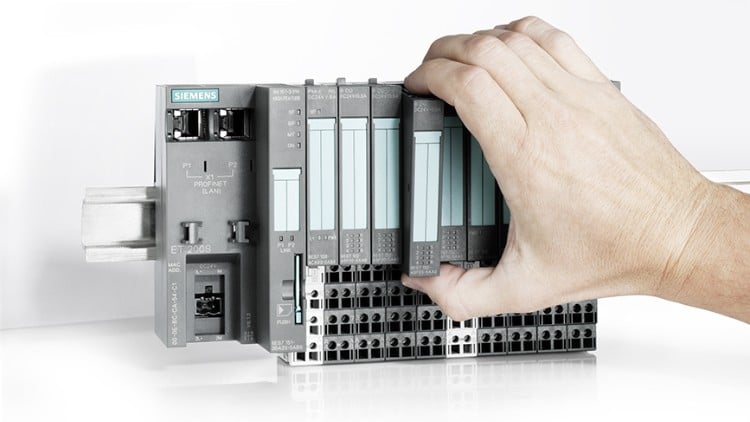
Learn PLC Programming & Automation: Introduction to Industrial Control Systems
⏱️ Length: 4.8 total hours
⭐ 4.13/5 rating
👥 4,037 students
🔄 June 2025 update
Add-On Information:
Note➛ Make sure your 𝐔𝐝𝐞𝐦𝐲 cart has only this course you're going to enroll it now, Remove all other courses from the 𝐔𝐝𝐞𝐦𝐲 cart before Enrolling!
-
Course Overview
- This course serves as an essential gateway into the fascinating and critical world of industrial automation, providing a robust introduction to Programmable Logic Controllers (PLCs). PLCs are the intelligent brains orchestrating nearly every automated process in modern manufacturing, utilities, and production environments, from managing conveyor belts to controlling complex robotic systems.
- Designed for beginners and those looking to pivot into a high-demand technical field, this program demystifies the core principles behind industrial control. It transcends mere theoretical concepts by grounding learners in the practical significance of automation, illustrating how these powerful devices transform manual operations into efficient, precise, and repeatable processes.
- You will explore the foundational role PLCs play in driving productivity and ensuring operational reliability across diverse industries such as automotive, food and beverage, pharmaceuticals, and energy. This course is your first step towards understanding how smart factories operate and how you can contribute to their continuous evolution.
-
Requirements / Prerequisites
- Basic Computer Literacy: Familiarity with operating a computer, navigating file systems, and using standard software applications is essential.
- Enthusiasm for Technology: A genuine interest in industrial control systems, automation, or electrical engineering principles will significantly enhance your learning experience.
- No Prior Programming Knowledge Required: This course is structured to introduce logic programming from the ground up, making it accessible even if you have no previous coding experience.
- Access to a Personal Computer: A desktop or laptop computer capable of running simulation software (often available for free or as trials from PLC manufacturers) is recommended for practical exercises.
- Commitment to Learning: Dedication to engaging with the material and practicing the concepts taught will ensure successful skill acquisition in this foundational subject.
- Optional Foundational Knowledge: While not strictly required, a rudimentary understanding of basic electrical circuits or Boolean logic can be beneficial but will also be covered conceptually within the course context.
-
Skills Covered / Tools Used
- Developing Logical Control Sequences: Master the art of structuring sequential operations to control industrial machinery and processes effectively and safely.
- Interpreting Industrial Control Schematics: Gain proficiency in reading and understanding electrical and control diagrams commonly found in automation environments, allowing you to interface effectively with hardware documentation.
- Designing Discrete Event Systems: Learn to conceptualize and implement systems that respond to specific events, crucial for precise control in manufacturing and assembly lines.
- Implementing Advanced Logic Functions: Move beyond basic ON/OFF control to utilize complex logical operations for sophisticated decision-making within automated processes.
- Performing Program Verification through Simulation: Acquire the ability to simulate and test your PLC programs in a virtual environment, identifying and correcting errors before deployment to live systems, ensuring robustness and safety.
- Understanding Data Handling in PLCs: Explore how PLCs process and manipulate various types of data for calculation, comparison, and control adjustments, vital for more complex automation tasks.
- Utilizing Standard Programming Environments: Become familiar with the interface and functionalities of widely used PLC programming software platforms, providing a transferable skill set across different brands.
- Applying Control Philosophy to Real-World Scenarios: Translate theoretical knowledge of control systems into practical applications, designing solutions for common industrial challenges.
- Debugging and Optimization Strategies: Develop techniques for identifying bottlenecks, errors, or inefficiencies in existing PLC programs and optimizing them for better performance and reliability.
- Tools Used: Access to virtual PLC simulators, potentially vendor-specific programming software trials (e.g., Rockwell’s Studio 5000 Logix Designer Emulate, Siemens TIA Portal S7-PLCSIM, or generic equivalents) will be utilized to reinforce practical application without needing physical hardware.
-
Benefits / Outcomes
- Gateway to Automation Careers: Equip yourself with an in-demand skill set that opens doors to roles such as Automation Technician, Controls Systems Trainee, Maintenance Engineer, or Junior PLC Programmer across various industrial sectors.
- Enhanced Problem-Solving Acumen: Cultivate a systematic approach to analyzing and resolving complex technical problems within industrial settings, a valuable asset in any engineering or technical role.
- Foundation for Advanced Learning: Establish a strong conceptual and practical base for pursuing more specialized studies in advanced robotics, mechatronics, SCADA systems, or distributed control systems.
- Increased Employability: Stand out in the job market by possessing practical skills in industrial control, a cornerstone of Industry 4.0 and the digital transformation of manufacturing.
- Contribution to Operational Efficiency: Gain the ability to understand, modify, and potentially design control systems that improve productivity, reduce downtime, and enhance safety in automated environments.
- Confidence in Industrial Settings: Develop the confidence to engage with PLC-driven machinery, understand its operation, and contribute meaningfully to its maintenance and improvement.
- Understanding of Industrial Safety: Appreciate the critical role of PLCs in implementing safety interlocks and emergency shutdown procedures, contributing to a safer work environment.
-
PROS
- Highly Accessible Introduction: Provides a quick, efficient entry point into a complex field, perfect for busy learners or career changers.
- Practical Skill Focus: Emphasizes hands-on application over abstract theory, ensuring immediate utility of learned concepts.
- Industry Relevance: Content is geared towards real-world industrial needs, making skills directly transferable to the workplace.
- Up-to-date Curriculum: Benefits from a recent update, ensuring the information reflects current industry practices and technologies.
- Strong Community Endorsement: High ratings and a large student base indicate proven effectiveness and learner satisfaction.
-
CONS
- Limited Depth for Mastery: Given its concise duration, this introductory course may not provide the extensive hands-on practice or in-depth coverage necessary for tackling highly complex industrial automation projects without further advanced study.
Learning Tracks: English,Teaching & Academics,Engineering