Learn PLC Programming & Automation: Introduction to Industrial Control Systems
⏱️ Length: 4.8 total hours
⭐ 4.24/5 rating
👥 2,945 students
🔄 June 2025 update
Add-On Information:
Note➛ Make sure your 𝐔𝐝𝐞𝐦𝐲 cart has only this course you're going to enroll it now, Remove all other courses from the 𝐔𝐝𝐞𝐦𝐲 cart before Enrolling!
- Course Overview
- Immerse yourself in the critical role of Programmable Logic Controllers (PLCs) as the operational backbone of modern industrial automation. This course elucidates how these robust digital controllers govern machinery and processes across diverse sectors, including manufacturing, energy, and logistics, ensuring unparalleled precision, safety, and efficiency.
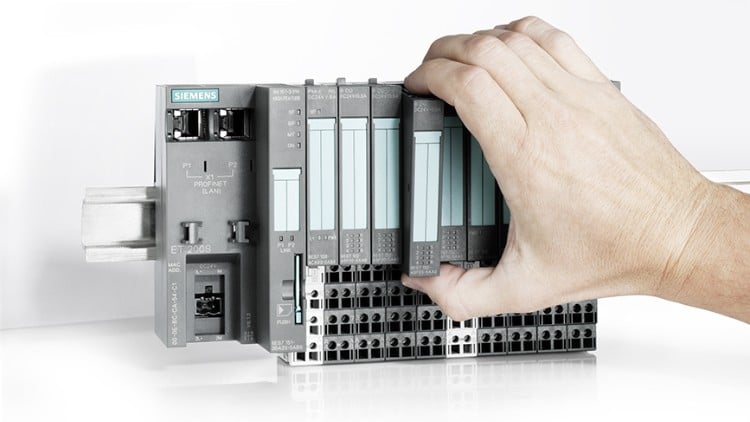
- Gain a foundational understanding of PLC architecture, including processing units, memory organization, and modular expansion. Explore how these components synergistically enable real-time interpretation of sensor data and precise command execution to actuators, forming intelligent control loops.
- Discover the distinct advantages PLCs offer over traditional relay-based systems, emphasizing their flexibility, advanced diagnostic capabilities, and scalability for evolving industrial demands.
- Requirements / Prerequisites
- Basic proficiency in computer operation (file management, software navigation) is essential for interacting with the course platform and virtual tools.
- A keen interest in understanding electromechanical systems and a logical, problem-solving mindset are highly recommended. No prior programming experience is required.
- Stable internet access and a personal computer (desktop/laptop) capable of running simulation software are mandatory for all practical learning modules.
- Skills Covered / Tools Used
- Develop analytical ability to translate process descriptions into structured automation logic blueprints for effective control system design.
- Gain practical exposure to virtual PLC development environments, mastering navigation and utilization for program creation and simulation.
- Understand functionality and interfacing of common industrial I/O devices (sensors, switches, motor starters) within a PLC system.
- Acquire foundational skills in systematic debugging and logic verification using software-based diagnostic features for reliable operation.
- Grasp conceptual integration of PLCs with basic Human-Machine Interfaces (HMIs) for visualization and operator interaction.
- Benefits / Outcomes
- Lay a solid foundation in industrial automation, preparing for advanced studies in robotics, SCADA, or Industry 4.0 technologies.
- Enhance analytical and logical problem-solving skills, applicable to broader engineering challenges.
- Strengthen your professional profile with a practical, in-demand skill set, boosting competitiveness for entry-level roles.
- Gain confidence in understanding and contributing to industrial control projects, speaking the language of automation professionals.
- Develop ability to interpret and modify existing PLC logic, facilitating participation in system maintenance and optimization efforts.
- Open pathways for career advancement or transition into growing fields of manufacturing, process control, and systems integration.
- PROS of this Course
- Concise & Focused: Delivers core knowledge efficiently within 4.8 hours.
- Up-to-Date: June 2025 update ensures content relevance.
- High Student Satisfaction: Proven effective by a strong rating and high enrollment.
- Practical Orientation: Emphasizes real-world application for immediate skill utility.
- Beginner-Friendly: An ideal, accessible entry point with no prior programming required.
- CONS of this Course
- Limited Depth: Its introductory nature necessitates further advanced study for comprehensive mastery.
Learning Tracks: English,Teaching & Academics,Engineering