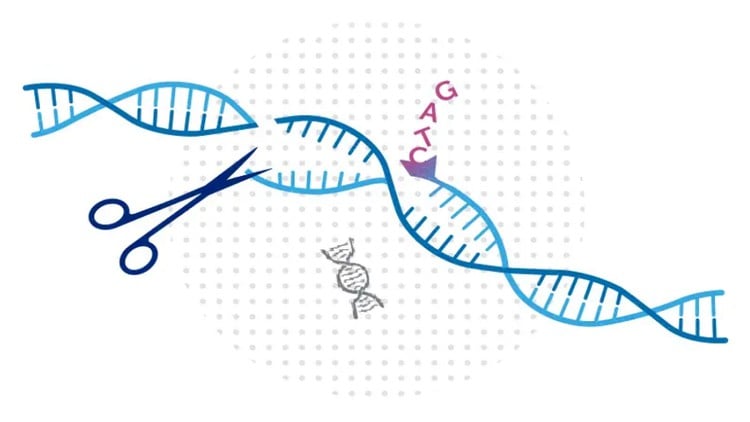
CRISPR Cas9 Technology
⏱️ Length: 38 total minutes
⭐ 4.13/5 rating
👥 5,210 students
🔄 September 2022 update
Add-On Information:
“`html
Note➛ Make sure your 𝐔𝐝𝐞𝐦𝐲 cart has only this course you're going to enroll it now, Remove all other courses from the 𝐔𝐝𝐞𝐦𝐲 cart before Enrolling!
-
Course Overview
- This concise yet impactful course provides an essential introduction to the revolutionary CRISPR-Cas9 gene-editing system, a paradigm-shifting technology in molecular biology and medicine. Designed for rapid comprehension, it delves into the foundational scientific principles that underpin CRISPR’s mechanism, illustrating its unprecedented capability to precisely target and modify genetic sequences. Unlike traditional methods, this system offers unparalleled specificity and efficiency, fundamentally altering approaches to genetic research and therapeutic development. You will explore its natural origins as a bacterial immune defense system and understand how scientists have harnessed and adapted this robust mechanism for various biotechnological applications, extending far beyond the immediate correction of genetic defects. This module lays the groundwork for appreciating CRISPR’s broad potential, spanning from fundamental biological discovery to its transformative impact on human health and agriculture.
- Embark on a high-level journey through the historical evolution of genetic engineering, positioning CRISPR-Cas9 as the pinnacle of current capabilities. The course elegantly navigates the core components of the CRISPR system – the Cas9 nuclease and the guide RNA – explaining their intricate interplay in directing edits to specific genomic locations. It conceptualizes the innovative breakthroughs that have made programmable gene editing a reality, moving beyond the technical ‘how-to’ to encompass the ‘why’ and ‘what next’ of this groundbreaking science. This 38-minute deep dive is structured to quickly equip learners with a holistic understanding of CRISPR’s significance, empowering them to grasp the implications of this advanced tool in a rapidly evolving scientific landscape and to comprehend its profound influence on future scientific endeavors.
-
Requirements / Prerequisites
- A fundamental grasp of basic molecular biology concepts, including the structure and function of DNA, RNA, and proteins, as well as an elementary understanding of gene expression and cellular organization, will enhance your learning experience.
- No prior direct experience with gene editing technologies or advanced bioinformatics is necessary, as this course is crafted to introduce the core principles of CRISPR-Cas9 from an accessible starting point for a broad audience.
- Possess a keen intellectual curiosity and a strong interest in cutting-edge biotechnologies, genetic research, and the future of precision medicine.
- Reliable access to a computer or mobile device with an internet connection to stream the course content and engage with any supplementary materials provided.
-
Skills Covered / Tools Used (Conceptual Understanding)
- Discerning CRISPR System Architectures: Develop a conceptual understanding of the different types of CRISPR systems (e.g., Type II Cas9, Type V Cas12a) and their distinguishing features, appreciating the molecular variations that allow for diverse editing capabilities and applications beyond the standard Cas9.
- Grasping gRNA Design Principles: Acquire a conceptual appreciation for the critical role of guide RNA (gRNA) in target specificity, including an understanding of how its sequence dictates the genomic location for Cas9 binding and cleavage, along with factors influencing its efficacy and potential off-target effects.
- Understanding Gene Editing Mechanisms: Comprehend the fundamental cellular repair pathways, such as Non-Homologous End Joining (NHEJ) and Homology-Directed Repair (HDR), and how these natural processes are leveraged by CRISPR-Cas9 to induce precise genetic changes, including gene knockout, insertion, or correction.
- Conceptualizing Delivery Strategies: Gain insight into the various methods used to deliver CRISPR components (Cas9 and gRNA) into target cells and tissues, exploring the advantages and limitations of viral (e.g., AAV, lentivirus) and non-viral (e.g., lipid nanoparticles, electroporation) approaches, crucial for both research and therapeutic applications.
- Analyzing Ethical and Societal Implications: Develop a nuanced perspective on the profound ethical considerations surrounding germline editing, designer babies, and equitable access to CRISPR-based therapies, fostering critical thinking about the responsible application of this powerful technology.
- Interpreting CRISPR Research Applications: Learn to conceptually identify and critically evaluate diverse applications of CRISPR technology in various fields, including agricultural biotechnology (crop improvement, disease resistance), pharmaceutical development (drug target validation), and the creation of sophisticated disease models.
- Recognizing Off-Target Effects and Mitigation: Understand the concept of off-target editing – unintended modifications at sites other than the desired target – and be aware of various conceptual strategies and engineered Cas9 variants designed to enhance specificity and minimize these unwanted alterations.
- Distinguishing Advanced CRISPR Variants: Develop an awareness of engineered CRISPR tools such as base editors (e.g., cytosine base editor, adenine base editor) and prime editors, understanding their distinct mechanisms for precise point mutations without double-strand breaks, offering new dimensions to gene editing capabilities.
-
Benefits / Outcomes
- Foundational Knowledge in Genomic Engineering: Successfully complete this course with a robust and current conceptual foundation in CRISPR-Cas9 technology, equipping you with the essential vocabulary and understanding required to engage confidently with advanced topics in genomic engineering and gene therapy.
- Informed Scientific Literacy: Develop the ability to critically interpret and discuss recent scientific breakthroughs, news, and ethical debates related to gene editing, fostering an informed perspective on one of the most transformative biotechnologies of our era.
- Gateway to Advanced Studies: This short, impactful module serves as an excellent stepping stone for further specialized learning in areas such as gene therapy development, synthetic biology, functional genomics, and personalized medicine, by establishing core principles.
- Enhanced Interdisciplinary Understanding: Gain insights that bridge molecular biology with ethical philosophy, public policy, and clinical research, broadening your appreciation for the multifaceted impact of scientific advancements on society.
- Inspired Research and Career Pathways: By illuminating the vast potential and ongoing challenges of CRISPR, the course aims to inspire students and professionals to explore research opportunities, contribute to scientific innovation, or pursue careers in biotechnology, academia, or healthcare.
- Contextualized Understanding of Disease Mechanisms: Develop a clearer conceptual framework for how genetic mutations contribute to disease and how CRISPR offers novel avenues for therapeutic intervention, fostering a deeper appreciation for the molecular basis of health and illness.
-
PROS
- Provides a highly current and relevant introduction to a cutting-edge scientific field with immediate real-world implications.
- Features a practical, project-based learning approach, ensuring conceptual understanding through application, fostering a deeper engagement with the material.
- Guided by experienced and certified trainers, offering expert insights, robust instruction, and valuable evaluation of practical exercises.
- Extremely time-efficient, delivering a comprehensive overview of complex concepts within a highly condensed 38-minute format, ideal for busy learners.
- Accessible to a broad audience, requiring minimal prior specialized knowledge, making it an excellent entry point for anyone curious about gene editing.
- Offers a strong conceptual foundation that is crucial for understanding current research, ethical debates, and future directions in biotechnology.
-
CONS
- Due to its very short duration, the course offers a high-level conceptual overview and may lack the in-depth practical protocols or extensive troubleshooting required for direct laboratory application.
“`
Learning Tracks: English,Teaching & Academics,Science