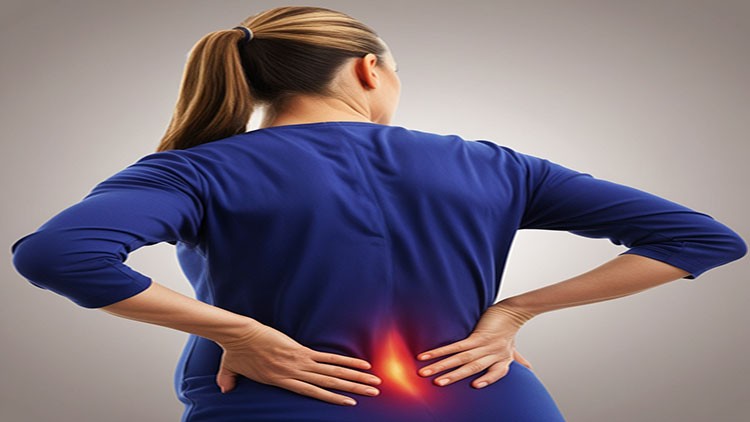
back pain
Why take this course?
🎉 Unlock the Secrets of Your Spine: Enroll in “Back Pain: Fact vs. Fiction” with Mohamed Al-Ashram!
Course Title: Back Pain: Fact vs. Fiction 🌟
Course Description:
Embark on a transformative journey to understand and manage back pain with our comprehensive online course, “Back Pain: Fact vs. Fiction,” led by the esteemed Mohamed Al-Ashram. Discover the root causes behind this common affliction and learn effective strategies to alleviate and prevent discomfort.
Understanding Back Pain:
Back pain is a widespread issue that can strike anyone, regardless of age. It manifests in various intensities, from a mild, dull ache to a sharp, stabbing sensation. What’s the source of this pervasive problem? 🤔
- Muscle Strains or Sprains: Injuries that can lead to sudden or chronic pain.
- Disc Problems: Such as herniated discs, which can be incredibly painful and debilitating.
- Arthritis: Wear-and-tear joint inflammation that affects your spine.
- Osteoporosis: A condition that weakens your bones, making them fragile and prone to fracture.
- Poor Posture: Over time, bad posture can strain your back muscles and spine.
- Heavy Lifting: Improper lifting techniques can result in injury or aggravate existing pain.
- Obesity: Excess weight puts additional stress on your spine and supporting structures.
- Pregnancy: The extra weight and hormonal changes during pregnancy can lead to back pain.
Preventing Back Pain:
Proactive measures can significantly reduce the likelihood of back pain or manage its impact on your daily life. Here’s how you can stay ahead of the curve:
- Maintain Good Posture: Always be mindful of your body alignment to avoid strain.
- Regular Exercise: Stay active with a mix of cardio and strength training exercises tailored for back health.
- Healthy Weight Maintenance: Keeping your weight in check lessens the stress on your spine.
- Proper Lifting Techniques: Learn how to lift objects safely to protect your back.
- Ergonomic Practices: Optimize your work environment to minimize strain and discomfort.
Managing Back Pain:
When back pain strikes, there are immediate actions you can take to alleviate the discomfort:
- Heat or Ice Therapy: Apply heat or cold to reduce inflammation and soothe muscle spasms. ❄️🌡️
- Over-the-Counter Medication: Painkillers like ibuprofen can help manage pain and inflammation.
- Massage Therapy: Professional massages can improve circulation and relieve tension.
- Stretching Exercises: Gentle stretches can maintain mobility and alleviate stiffness.
Expert Advice from Mohamed Al-Ashram:
👩⚕️ How to Ease Back Pain Yourself:
When you experience back pain, these self-care tips can help accelerate your recovery:
- Stay Active: Continue with your daily activities as much as possible to maintain flexibility and strength.
- Medication: Use anti-inflammatory medicine like ibuprofen, or combine it with paracetamol for effective pain management.
- Ice and Heat Therapy: Alternating between ice packs and heat packs can aid in reducing pain and swelling.
- Exercise and Stretching: Engage in specific exercises designed to strengthen your back muscles and improve flexibility.
When to Seek Professional Help:
If your back pain persists or worsens, it’s crucial to consult with a healthcare professional to diagnose and treat the underlying condition properly. 🏥
Join Mohamed Al-Ashram in this insightful course and empower yourself with knowledge about back pain. Learn how to differentiate between fact and fiction, and take control of your spinal health today! Enroll now and take the first step towards a stronger, more comfortable back. 💻💪
-
Course Overview
- This comprehensive course, “Back Pain: Fact vs Fiction Prevent & Relieve Pain,” delves into one of the most common health complaints globally, addressing the pervasive myths and misinformation surrounding back discomfort. We aim to equip you with an evidence-based understanding of back pain, moving beyond anecdotal remedies to provide practical, actionable strategies for both prevention and relief.
- Unravel the complexities of back pain through a balanced perspective, exploring its multifactorial nature from lifestyle influences to psychological impacts. The curriculum is designed to empower you to distinguish between valid scientific insights and popular but often unhelpful narratives.
- Learn how to proactively manage your spinal health and respond effectively to pain episodes, fostering a resilient and informed approach to your well-being. This course is for anyone seeking clarity, empowerment, and lasting solutions for a healthier, pain-free back.
-
Requirements / Prerequisites
- No prior medical knowledge or formal education in anatomy is required. This course is designed for general audiences.
- A genuine desire to understand and improve your back health.
- Willingness to critically evaluate common beliefs about back pain and embrace evidence-based perspectives.
- Basic internet access and familiarity with online learning platforms.
- A commitment to applying learned techniques and strategies to your daily routine for optimal results.
-
Skills Covered / Tools Used
- Critical Health Literacy: Develop the ability to discern credible information about back pain from misleading sources, fostering informed decision-making.
- Personalized Pain Assessment: Learn techniques for identifying your unique pain triggers, patterns, and contributing factors to create a tailored management plan.
- Ergonomic Optimization: Master practical adjustments for your workspace, home environment, and daily activities to support spinal health and minimize strain.
- Mind-Body Connection Techniques: Explore strategies to reduce stress, anxiety, and fear-avoidance behaviors often associated with persistent back pain.
- Movement & Mobility Principles: Understand fundamental movement patterns that promote spinal flexibility, strength, and resilience without diving into specific detailed exercises.
- Proactive Prevention Planning: Construct a personalized roadmap for maintaining long-term back health, integrating lifestyle modifications and preventative habits.
- Communication Skills: Gain confidence in discussing your back health concerns with healthcare professionals more effectively.
- Symptom Journaling & Tracking: Utilize simple methods to monitor your progress and identify effective interventions over time.
-
Benefits / Outcomes
- Empowered Self-Management: Gain the confidence and knowledge to actively manage your back health, reducing reliance on passive solutions.
- Reduced Pain & Discomfort: Acquire practical strategies that can significantly alleviate existing back pain and prevent future occurrences.
- Myth Debunking: Dispel common misconceptions about back pain, leading to less fear and anxiety surrounding your condition.
- Improved Quality of Life: Experience enhanced mobility, better sleep, and the ability to engage in activities you love with greater ease.
- Informed Decision-Making: Make better choices regarding your back health, understanding when to seek professional help and which treatments are evidence-based.
- Enhanced Body Awareness: Develop a deeper understanding of your body’s mechanics and how everyday actions impact your spine.
- Long-Term Spinal Health: Establish sustainable habits and a proactive mindset for maintaining a healthy back throughout your life.
- Greater Resilience: Build mental and physical resilience to cope with pain and recover more effectively from episodes.
-
PROS
- Empowers individuals with comprehensive, evidence-based knowledge.
- Provides practical, actionable strategies for immediate and long-term relief.
- Challenges and corrects widespread misconceptions about back pain.
- Accessible to a broad audience, regardless of prior medical background.
- Focuses on self-management and prevention, promoting autonomy in health.
- A cost-effective alternative to endless specialist visits for basic understanding.
-
CONS
- This course does not replace personalized medical diagnosis, treatment, or physical therapy from a qualified healthcare professional for severe or complex conditions.