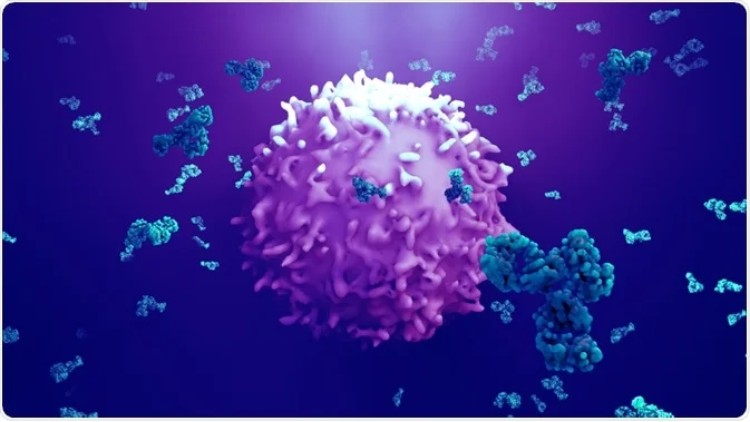
Explore the types, structure, and biological roles of antigens in the immune system
What you will learn
Note➛ Make sure your 𝐔𝐝𝐞𝐦𝐲 cart has only this course you're going to enroll it now, Remove all other courses from the 𝐔𝐝𝐞𝐦𝐲 cart before Enrolling!
Understand the basic definition and classification of antigens, including exogenous, endogenous, and autoantigens.
Learn about the structural and molecular features that influence antigen recognition by the immune system.
Explore antigen-antibody interactions and the factors that affect immune specificity and response.
Develop a foundational understanding of the role of antigens in immune function and biomedical research.
Add-On Information:
- Unraveling the Molecular Architects of Immunity: Dive into the intricate world of antigens, the key players that ignite and orchestrate our body’s defense mechanisms.
- Beyond Classification: The Genesis of Immune Triggers: Investigate the diverse origins and evolutionary pathways that shape antigens, from invading pathogens to self-derived cues.
- Decoding the Recognition Code: Epitope Mapping and Molecular Mimicry: Delve into the precise regions on antigens (epitopes) that are targeted by immune cells and antibodies, and understand how pathogens can exploit similarities to evade detection.
- The Dance of Recognition: MHC Pathways and Antigen Presentation: Explore the critical role of Major Histocompatibility Complex (MHC) molecules in presenting antigen fragments to T cells, a fundamental step in adaptive immunity.
- Antigenic Variation: A Microbial Arms Race: Examine how pathogens evolve to alter their surface antigens, presenting a significant challenge to the immune system and impacting vaccine development.
- Harnessing Antigens: Therapeutic Strategies and Diagnostics: Discover how a deep understanding of antigens underpins the development of life-saving vaccines, targeted immunotherapies, and precise diagnostic tools.
- Autoimmunity: When the Self Becomes the Target: Gain insight into the mechanisms by which the immune system can mistakenly recognize self-antigens, leading to autoimmune diseases.
- Immunological Memory: The Ghost of Past Encounters: Understand how prior exposure to antigens shapes future immune responses, forming the basis of immunological memory and long-term protection.
- The Gut Microbiome and Antigenic Influence: Explore the fascinating interplay between the trillions of microbes in our gut and their impact on shaping immune responses to both foreign and self-antigens.
- Pros:
- Comprehensive Foundation: Provides a robust understanding essential for further study in immunology, vaccinology, and infectious disease research.
- Bridging Theory and Application: Connects fundamental immunological principles to real-world applications in medicine and biotechnology.
- Critical Thinking Enhancement: Develops analytical skills to interpret complex immune interactions and disease mechanisms.
- Cons:
- Requires Prior Biological Knowledge: May be more accessible to students with a foundational understanding of cell biology and basic immunology concepts.
English
language