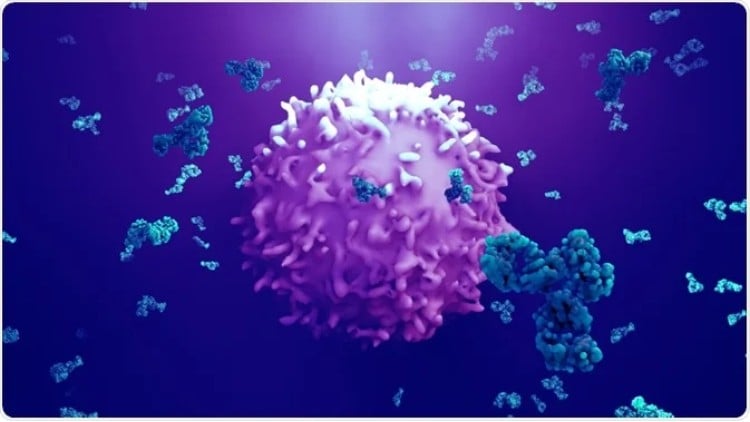
Explore the types, structure, and biological roles of antigens in the immune system
⏱️ Length: 3.6 total hours
⭐ 4.21/5 rating
👥 3,108 students
🔄 May 2025 update
Add-On Information:
Note➛ Make sure your 𝐔𝐝𝐞𝐦𝐲 cart has only this course you're going to enroll it now, Remove all other courses from the 𝐔𝐝𝐞𝐦𝐲 cart before Enrolling!
-
Course Overview
- Delve into the intricate molecular architecture that defines antigen identity, exploring how specific three-dimensional configurations dictate their precise interaction potential with various immune cell receptors.
- Unpack the sophisticated, multi-layered mechanisms by which the immune system detects and processes a vast array of antigens, ranging from microbial invaders to aberrant self-molecules and environmental allergens.
- Examine the critical distinction between immunogenicity (the inherent ability of an antigen to provoke an immune response) and antigenicity (its capacity to merely bind to an immune receptor), a nuanced yet fundamental aspect of antigen behavior.
- Investigate how antigens serve as central orchestrators in both protective immunity against infectious agents and the complex pathogenesis of immune-mediated diseases, including allergies, autoimmune conditions, and transplant rejection.
- Explore the evolutionary pressures that have shaped the remarkable diversity of antigens across biological kingdoms and, concomitantly, the exquisite specificity of corresponding immune recognition systems.
- Gain deep insights into the diverse pathways of antigen processing and presentation, a crucial and meticulously regulated series of steps essential for initiating adaptive immune responses involving T cells and B cells.
- Understand the strategic manipulation of antigen properties and delivery systems in modern vaccine development, aiming to optimize protective immunogenicity and long-term memory while minimizing adverse effects.
- Discuss the emerging landscape of antigen-based diagnostics and therapeutics, highlighting their transformative impact on early disease detection, targeted drug delivery, and personalized medicine strategies.
- Ponder the ethical, safety, and practical considerations surrounding the use of artificial, engineered, and recombinant antigens in biotechnology, drug design, and research applications.
- Uncover the subtle yet critical roles of accessory molecules, co-stimulatory signals, and cytokine environments that finely tune an immune response initiated by the initial antigen-receptor engagement.
-
Requirements / Prerequisites
- A foundational grasp of high school-level biology, including basic concepts of cell structure, molecular components like proteins and nucleic acids, and an understanding of organismal systems.
- Familiarity with general chemistry principles, particularly regarding molecular bonds, functional groups, and intermolecular interactions, will be highly beneficial for comprehending antigen structure and binding dynamics.
- While not strictly mandatory, prior exposure to introductory immunology concepts, such as the basic components and organization of the immune system (e.g., lymphoid organs, major immune cell types), would significantly enhance the learning experience.
- An inquisitive mind, a keen interest in understanding the complex biological mechanisms underpinning disease and defense, and a willingness to engage with scientific terminology are highly encouraged.
- No specialized software, equipment, or laboratory access is necessary; all learning materials and assessments will be accessible via a standard web browser and a reliable internet connection.
- The course assumes a basic comfort level with analytical thinking and an eagerness to delve into detailed biological explanations and conceptual frameworks.
-
Skills Covered / Tools Used
- Analytical Interpretation: Develop the ability to critically analyze and interpret experimental data related to antigen structure, binding kinetics, immunogenicity assessments, and immune response outcomes, extrapolating key mechanistic insights.
- Mechanism Elucidation: Master the skill of tracing the complex immunological journey of an antigen from its point of entry into the body through its intricate processing, presentation, and subsequent engagement with various immune cell types.
- Pattern Recognition: Enhance your capacity to identify common structural motifs, conserved molecular patterns, and physicochemical properties across diverse antigen types that profoundly influence immune recognition and immunogenic potential.
- Conceptual Modeling: Learn to construct robust mental and theoretical models of complex antigen-receptor interactions, predicting potential immunological outcomes based on molecular characteristics, cellular context, and environmental factors.
- Immunological Problem-Solving: Apply your acquired knowledge to conceptual scenarios involving the rational design of novel vaccines, the development of therapeutic antibodies, or the detailed understanding of autoimmune disease pathogenesis.
- Differentiation of Immunological Concepts: Sharpen your ability to accurately distinguish between closely related yet distinct immunological terms and phenomena associated with antigens, such as antigenicity vs. immunogenicity, or T-dependent vs. T-independent antigens.
- Scientific Literacy and Communication: Improve your comprehension and articulate advanced immunological concepts effectively, fostering precise communication within a scientific and healthcare context.
- Critical Evaluation: Gain the capacity to critically evaluate scientific claims, research findings, and product marketing related to antigen-based diagnostics, immunotherapies, and public health interventions, discerning their scientific validity and practical implications.
-
Benefits / Outcomes
- Gain a profound and nuanced appreciation for the central, indispensable role antigens play in shaping the intricate dance of immune responses, from effective pathogen clearance to the maintenance of self-tolerance.
- Equip yourself with specialized, cutting-edge knowledge directly applicable to diverse career paths in immunology research, vaccine development, pharmaceutical research and development, biotechnology, and clinical diagnostics.
- Develop a robust conceptual framework for understanding the molecular and cellular basis of various immune-mediated diseases, including autoimmune disorders, hypersensitivity reactions, infectious diseases, and cancer immunology.
- Be able to critically assess the scientific rationale behind current and emerging antigen-based therapies and diagnostic techniques, enabling you to contribute to informed discussions in healthcare and biotechnology sectors.
- Establish a strong and comprehensive conceptual foundation for pursuing advanced academic studies in immunology, microbiology, pharmacology, pathology, or biomedical engineering.
- Enhance your ability to efficiently read, interpret, and critically contribute to the rapidly expanding body of scientific literature focusing on antigen-host interactions and immune modulation strategies.
- Foster an analytical and systems-thinking mindset that allows you to connect the intricate molecular details of antigens to their broader physiological and pathological consequences within the human body.
- Become a more informed and scientifically literate individual, capable of understanding the complex immunological underpinnings of major public health initiatives, such as global vaccination campaigns and epidemic responses.
-
PROS
- Highly Relevant & Up-to-Date: Content updated in May 2025 ensures learners receive the most current information and insights in this rapidly evolving field of immunology.
- Strong Peer Endorsement: A high rating of 4.21/5 from over 3,000 students signifies excellent instructional quality, clear explanations, and significant value to past participants.
- Concise & Focused: The 3.6-hour length offers a concentrated deep dive into essential antigen concepts without unnecessary fluff, making it ideal for busy professionals or students seeking targeted knowledge.
- Foundational for Advanced Study: Provides a robust conceptual backbone that is critical for further academic pursuits or career development in various immunological and biomedical disciplines.
- Practical Applications: Delivers directly applicable insights into cutting-edge areas such as vaccine design, therapeutic antibody development, and advanced diagnostic tools.
-
CONS
- The condensed format, while efficient for experienced learners, may require individuals with minimal prior biological or immunological knowledge to dedicate additional self-study time for full comprehension of complex concepts.
Learning Tracks: English,Teaching & Academics,Online Education