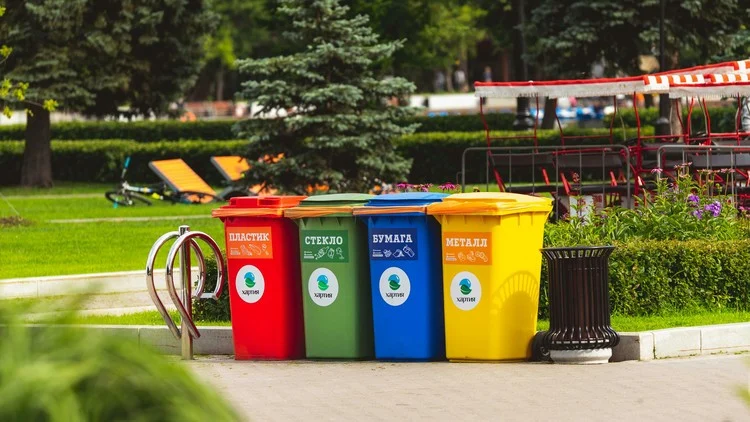
A Concise Introduction to What You Need to Know about Urban Waste Management
⏱️ Length: 57 total minutes
👥 64 students
🔄 May 2026 update
Alright, let’s talk ‘Urban Waste Management.’ For those of us navigating the tech landscape or any sector demanding forward-thinking strategies, it’s abundantly clear that sustainability isn’t just a feel-good add-on anymore – it’s a non-negotiable operational and ethical imperative. This course, aptly titled ‘A Concise Introduction to What You Need to Know about Urban Waste Management,’ isn’t just about understanding the garbage collection schedule in your city; it’s a surprisingly comprehensive and insightful dive into the intricate ecosystem of how global urban centers handle their waste streams. It brilliantly weaves together threads of policy, engineering, public health, and environmental science, offering a truly holistic perspective that’s often fragmented in other resources.
For anyone looking to demystify the mechanics behind city infrastructure, understand its environmental footprint, or simply grasp one of the most critical challenges facing our rapidly urbanizing world, this course cuts straight to the chase. It illuminates a vital sector ripe for innovation, providing a foundational understanding that transcends mere technical details to explore the economic, social, and environmental dimensions of waste. It’s a compelling look at how fundamental waste management is to sustainable urban development, revealing opportunities for efficiency and circularity that impact everything from public health to resource scarcity.
Prerequisites
Honestly, you don’t need to be an environmental engineer or a seasoned urban planner to tackle this. The beauty of this course is its accessibility. A basic grasp of urban planning concepts, perhaps some casual interest in sustainability issues, and a knack for analytical thinking will serve you incredibly well. It’s pitched effectively for someone moving from a conceptual beginner to advanced understanding of urban systems, not requiring prior technical expertise in waste stream analysis or GIS, but definitely benefiting from a foundational curiosity about how cities operate. If you’ve got a curious mind and an awareness of global environmental challenges, you’re good to go.
Skills & Tools
While this course won’t deep-dive into the nitty-gritty of specific industry-standard tools like ArcGIS for waste route optimization or advanced lifecycle assessment software, it absolutely equips you with the conceptual framework necessary to understand and eventually apply such tools. You’ll gain a robust grasp of waste characterization methodologies, the complex logistics of collection and transportation, and the underlying principles behind various disposal, recycling, and recovery techniques. It’s more about the ‘why’ and ‘what’ of effective waste management than the immediate ‘how-to’ with specific software. This prepares you to later master relevant tools for data analytics, environmental impact assessment, and project management crucial to waste infrastructure development. Think of it as building the mental architecture before you start coding the actual solution.
Career Benefits & Job Roles
This course is a solid launchpad for significant career growth in a rapidly evolving and increasingly critical field. The conceptual job-ready skills it imparts are fundamental for a wide array of roles. We’re talking urban sustainability consultant, waste operations manager, environmental policy analyst, or even a specialized project manager for waste-to-energy initiatives. Understanding the nuanced differences in waste management practices between developed and developing economies is a highly valuable asset, opening doors in municipal departments, private waste management firms, international development organizations, and environmental consultancies globally. As cities continue to expand and resource scarcity becomes more pronounced, expertise in urban waste management will only become more sought after.
Pros
- Comprehensive & Globally Relevant Perspective: The course impressively covers the entire waste lifecycle, from definition to disposal, and offers critical insights into the divergent challenges and innovative solutions faced by both developed and developing nations. This contextual depth is invaluable for understanding real-world complexities.
- Strategic & Future-Oriented Content: The exploration of ‘Waste-to-Energy: Potential and Challenges’ isn’t just academic; it’s a forward-looking analysis of future urban sustainability strategies and crucial renewable energy pathways. This focus on emerging solutions is incredibly relevant in today’s climate-conscious world.
- Solid Foundation for Deeper Learning: If you’re considering a career pivot into environmental consulting, urban planning, or even public health policy, this course lays down an excellent theoretical and conceptual backbone. It prepares you to tackle more advanced topics or specialized studies with confidence.
- Clarity and Conciseness: True to its caption, it genuinely is a ‘concise introduction.’ The course avoids unnecessary jargon and presents inherently complex topics – like waste management techniques or the socio-economic factors influencing collection – in an exceptionally digestible and understandable manner.
Cons
- Limited Hands-On Application for Immediate Specialization: While excellent for foundational knowledge, don’t expect intensive hands-on labs or extensive real-world projects that might be crucial for immediate certification prep or highly specialized job-ready skills at an advanced level. It’s more of a strategic overview, meaning you’ll need to pursue further practical experience or more advanced, specialized courses to directly jump into highly technical roles requiring immediate operational expertise or complex system design. Think of it as getting a fantastic roadmap, but you’ll still need to learn to drive in traffic.