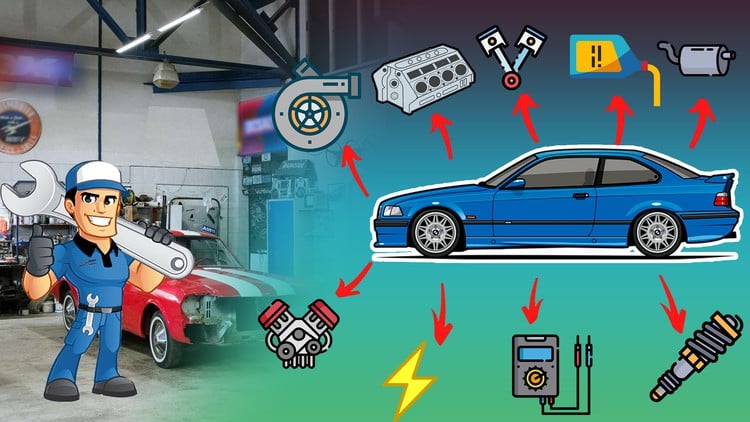
Learn the Car Repair from Beginner to Professional Level ! Car Mechanic, Car Tuning, Electrician, Automotive Engineering
⏱️ Length: 8.1 total hours
⭐ 3.72/5 rating
👥 77,191 students
🔄 October 2025 update
Add-On Information:
Note➛ Make sure your 𝐔𝐝𝐞𝐦𝐲 cart has only this course you're going to enroll it now, Remove all other courses from the 𝐔𝐝𝐞𝐦𝐲 cart before Enrolling!
- Course Overview
- Transforms beginners into proficient automotive technicians, covering mechanical repair, intricate electrical diagnostics, and performance tuning.
- Explores advanced vehicle systems, emphasizing practical application in maintenance, diagnosis, and corrective repairs across various car models.
- Introduces vehicle performance optimization principles, including modifications to enhance automotive capabilities beyond factory standards.
- Integrates contemporary automotive engineering concepts, linking theoretical understanding with real-world professional vehicle servicing.
- Teaches effective use of modern diagnostic tools, interpreting complex data streams for efficient troubleshooting and issue resolution.
- Promotes best practices in workshop safety, environmental responsibility, and adherence to crucial industry standards.
- Requirements / Prerequisites
- Basic Digital Competency: Comfort with online learning platforms and accessing digital educational resources.
- Keen Interest in Automobiles: A fundamental passion for understanding car mechanics and electrical systems is highly recommended.
- Self-Discipline for Online Learning: Ability to manage study time effectively and engage consistently with the self-paced course material.
- Skills Covered / Tools Used
- Advanced Diagnostic Interpretation: Proficiency in reading OBD-II codes, analyzing live sensor data, and diagnosing intermittent vehicle malfunctions.
- Brake System Overhaul: Competence in inspecting components, replacing pads, rotors, calipers, flushing brake fluid, and troubleshooting ABS indicators.
- Vehicle Electrical Diagnostics: Expert use of multimeters, oscilloscopes, and wiring diagrams to locate shorts, open circuits, and parasitic draws.
- Fuel System Analysis & Repair: Skills in diagnosing common fuel delivery problems, replacing filters, pumps, and understanding direct injection principles.
- Cooling System Servicing: Ability to diagnose and repair leaks, replace radiators, water pumps, thermostats, and perform effective coolant flushes.
- Exhaust System Replacement & Inspection: Knowledge to assess catalytic converter efficiency, replace mufflers, pipes, and troubleshoot oxygen sensors.
- Suspension & Steering Component Servicing: Expertise in inspecting and replacing shocks, struts, control arms, tie rods, and performing basic wheel alignment checks.
- Introduction to Performance Modifications: Overview of aftermarket air intake, exhaust upgrades, and basics of ECU tuning for power enhancement.
- Fluid Management & Lubrication Systems: Comprehensive understanding of automotive fluids, their properties, correct application, and scheduled replacement.
- Safe Workshop Practices: Adherence to industry safety standards, including proper use of lifting equipment and hazardous material disposal.
- Benefits / Outcomes
- Empowered DIY Maintenance: Confidently undertake a wide array of personal vehicle tasks, significantly reducing workshop costs.
- Stepping Stone for Certification: Establishes a robust foundation for pursuing advanced professional certifications in automotive technology.
- Career Entry Opportunities: Equips learners with marketable skills for entry-level positions in repair shops or specialized service centers.
- Enhanced Vehicle Understanding: Develop a profound understanding of how automotive systems function, enabling better troubleshooting and preventative care.
- Informed Automotive Decisions: Make educated choices regarding vehicle purchases, upgrades, and necessary repairs as a savvy car owner.
- Problem-Solving Acumen: Cultivate systematic diagnostic and problem-solving skills, applicable both within and beyond the automotive domain.
- PROS
- Comprehensive Coverage: Holistic curriculum spanning mechanical, electrical, and performance aspects of car repair.
- Beginner-Friendly Progression: Structured to guide learners from foundational concepts to advanced techniques smoothly.
- Affordable Skill Acquisition: Offers significant vocational training at a fraction of traditional automotive school costs.
- Flexible Learning Schedule: Allows students to learn at their own pace, accommodating personal and professional commitments.
- Updated Industry Relevance: Course material regularly updated, ensuring current automotive knowledge (October 2025 update).
- CONS
- Limited Physical Hands-On Experience: As an online format, direct practical application with actual vehicle components and specialized tools requires self-sourcing or independent supplementation.
Learning Tracks: English,Personal Development,Career Development