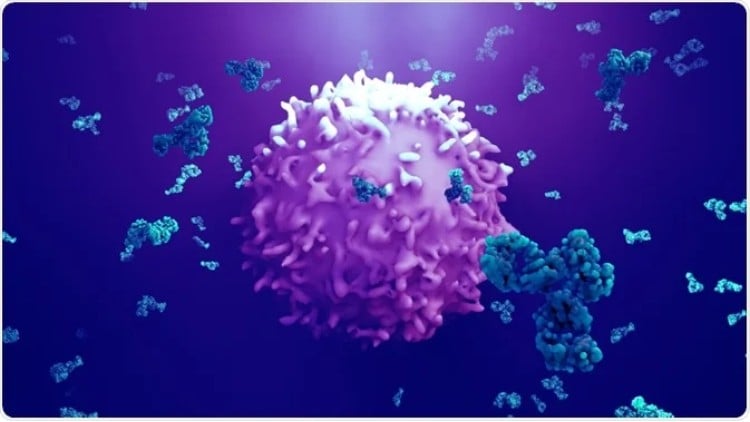
Explore the types, structure, and biological roles of antigens in the immune system
⏱️ Length: 3.6 total hours
⭐ 4.25/5 rating
👥 2,736 students
🔄 May 2025 update
Add-On Information:
Note➛ Make sure your 𝐔𝐝𝐞𝐦𝐲 cart has only this course you're going to enroll it now, Remove all other courses from the 𝐔𝐝𝐞𝐦𝐲 cart before Enrolling!
- Course Overview
- Dive deep into the molecular architecture governing antigen behavior, meticulously distinguishing between the precise concept of an epitope and the corresponding paratope, and understanding how even subtle conformational changes in these structures fundamentally dictate the specificity and strength of immune recognition.
- Explore the intricate, multi-step mechanisms of antigen processing and presentation within immune cells, unraveling the crucial roles played by diverse antigen-presenting cells (APCs) such as dendritic cells and macrophages, and the pivotal Major Histocompatibility Complex (MHC) molecules in initiating robust adaptive immune responses.
- Examine the diverse categories of antigens far beyond basic classification, including sophisticated discussions on tumor-associated antigens relevant to oncology, the unique structures of allergens that induce hypersensitivity reactions, and the peculiar properties of superantigens responsible for potent, non-specific T-cell activation.
- Investigate the nuanced concept of immunogenicity versus mere antigenicity, comprehending why some molecules inherently elicit strong, protective immune responses while others require specific conditions, molecular modifications, or the co-administration of adjuvants to become effective immunogens.
- Uncover the critical involvement of specific antigens in various complex disease pathologies, from their role in driving destructive autoimmune conditions like lupus and rheumatoid arthritis to serving as indispensable targets in cutting-edge cancer immunotherapy and the rational design of prophylactic and therapeutic vaccines for infectious diseases.
- Analyze the dynamic interplay between antigens and other crucial components of both innate and adaptive immunity, such as pathogen recognition receptors like Toll-like receptors (TLRs) and the complement system, which significantly influence the initial sensing and subsequent nature and magnitude of the entire immune cascade.
- Gain insightful understanding into the evolutionary pressures that continuously shape antigen diversity in pathogens, enabling immune evasion, and the corresponding adaptive strategies of the host immune system to maintain broad and protective immunity across various threats.
- Requirements / Prerequisites
- A foundational grasp of general biology, encompassing basic cell structure, an understanding of fundamental molecular biology concepts like proteins and nucleic acids, and an introductory familiarity with key biochemical principles is recommended.
- Familiarity with introductory concepts of human physiology, particularly cellular processes involved in communication and basic defense mechanisms, would be beneficial but not strictly mandatory.
- No prior advanced knowledge of immunology is required, making this course highly accessible to learners with a general scientific curiosity or those looking for an entry point into the field.
- Access to an internet-enabled device (such as a computer, tablet, or smartphone) and a stable internet connection for accessing course materials, videos, and any interactive elements.
- A keen interest in understanding the molecular basis of immunity, exploring disease mechanisms, and appreciating the development of modern biomedical interventions and therapeutics.
- Skills Covered / Tools Used
- Develop a robust conceptual framework for analyzing complex molecular interactions at the antigen-receptor interface, thereby enhancing your ability to predict and understand immune outcomes in various physiological and pathological contexts.
- Cultivate advanced critical thinking skills necessary to interpret the biological significance of diverse antigenic structures and their specific roles in modulating the breadth and depth of immune responses.
- Strengthen your capacity to differentiate between various types of immune recognition events, ranging from the broad innate sensing of pathogen-associated molecular patterns (PAMPs) to the exquisitely specific recognition characteristic of the adaptive immune system.
- Learn to conceptually approach the underlying design principles behind antigen-based diagnostics (e.g., rapid tests) and therapeutic strategies, including the rationales behind modern vaccine development and the sophisticated applications of monoclonal antibodies.
- While not involving hands-on laboratory work, you will conceptually explore the theoretical principles and readouts behind common immunological assays used to characterize antigen-antibody binding affinity, specificity, and immune cell activation.
- Enhance your scientific vocabulary and communication skills through exposure to precise immunological terminology and well-structured explanations of complex biological phenomena.
- Benefits / Outcomes
- Empower yourself with a specialized knowledge base that is essential for pursuing or advancing career paths in immunology research, biotechnology, pharmaceutical development, clinical diagnostics, and public health.
- Gain a more profound, nuanced, and informed perspective on current vaccine strategies, targeted immunotherapies for cancer, and the complex mechanisms involved in treating autoimmune disorders.
- Build a strong and comprehensive academic foundation for pursuing advanced studies in immunology, microbiology, vaccinology, molecular biology, or other related biomedical sciences.
- Develop an enhanced appreciation for the extraordinary precision, adaptability, and inherent complexity of the immune system in distinguishing self from non-self, and the significant consequences when these fundamental mechanisms falter.
- Acquire the ability to critically evaluate news, scientific publications, and ongoing research related to infectious diseases, immune disorders, and novel therapeutic interventions, becoming a more scientifically literate and discerning individual.
- Position yourself advantageously to contribute meaningfully to discussions and future innovations within the rapidly evolving and critically important field of immunology.
- PROS of this course:
- Provides highly concentrated, up-to-date, and relevant content in a remarkably efficient 3.6-hour format, ideal for busy professionals or students seeking a quick yet thorough grounding in antigen biology.
- Achieves a high student satisfaction rating of 4.25/5 from 2,736 students, indicating strong pedagogical quality, clear explanations, and effective knowledge transfer.
- Offers practical and cutting-edge insights directly applicable to understanding disease pathogenesis, developing novel diagnostics, and designing modern immunotherapies and vaccines.
- Developed with the latest scientific updates (May 2025 update), ensuring the information presented is current, accurate, and reflective of contemporary immunological research and understanding.
- Accessible to a broad audience, as it thoughtfully balances depth with clarity, requiring only foundational scientific knowledge without demanding prior advanced immunology expertise.
- CONS of this course:
- Due to its concise duration and foundational scope, the course provides an excellent overview but may not delve into highly specialized or advanced research methodologies, complex experimental designs, or ongoing debates in specific niche areas of immunology, potentially requiring further independent study for in-depth mastery of particular sub-fields.
Learning Tracks: English,Teaching & Academics,Online Education